
Most people wake up and immediately check Instagram on their smartphones. Most people spend their lunch break comparing prices on their work computers. Later that evening, they catch up on shows via a tablet or scroll through a phone while the main television plays in the background.
How can you actually connect with people on every platform they use?
That is where cross-device targeting comes in. This approach follows your customers as they switch between their smartphones, office desktops, and smart TVs. It links every screen back to one real person. With Americans using more user devices than ever, brands can no longer treat each screen like an isolated moment.
Most people start browsing on a phone but finish on a computer. Your customers move across multiple screens all day, and that changes how ad targeting, messaging, and measurement should work. A person may see a mobile ad during their commute, compare products on a work laptop, and finish the purchase on a tablet at home.
Cross-device targeting helps you follow that customer journey. It helps recognize user behavior across screens, connects devices belong to the same person, and supports a more consistent brand experience from first impression to sale.
Table of Contents:

- People switch devices constantly. If your marketing stops at the smartphone, you lose the sale when they switch to a PC. Connecting these dots makes your advertising budget work much harder.
- What goes on behind the scenes of cross-device targeting.
- What happens when your ads follow people from phones to laptops.
- Solving Problems in a Private Digital Space
- Stuff that gets the job done.
- Kick Off Your Cross-Device Strategy
- Where multi-screen marketing goes from here.
- Why Good Collaborators Matter
- Final thoughts.
Why Cross-Device Targeting Matters for Your Business
Think about your own habits. You likely check your phone in the morning, switch to a laptop for work, and browse on another screen later in the day. Your customers do the same, and that shift affects the full conversion path.
Households now use a growing number of connected devices, including phones, tablets, smart TVs, laptops connected to streaming platforms, and desktop computers. You get more shots at finding buyers this way. However, tracking what people actually do gets messy if you view every phone or laptop as a separate person.
This is where cross-device advertising creates real value. Marketers can finally follow a real person through their entire experience. It beats trying to piece together a story from random phone or laptop pings.
Sales climb when you track users across their phones and laptops. This strategy works because it mirrors the way people shop across multiple gadgets before buying. Someone may discover a product on mobile, revisit it on desktop, and convert after seeing a follow-up message on connected tv or email.
Cross-device marketing also improves ad spend. Stop wasting your budget by showing the same ad to one person on three different screens. Smart tracking lets you control how often people see your message across every device they own.
How Does Cross-Device Targeting Actually Work
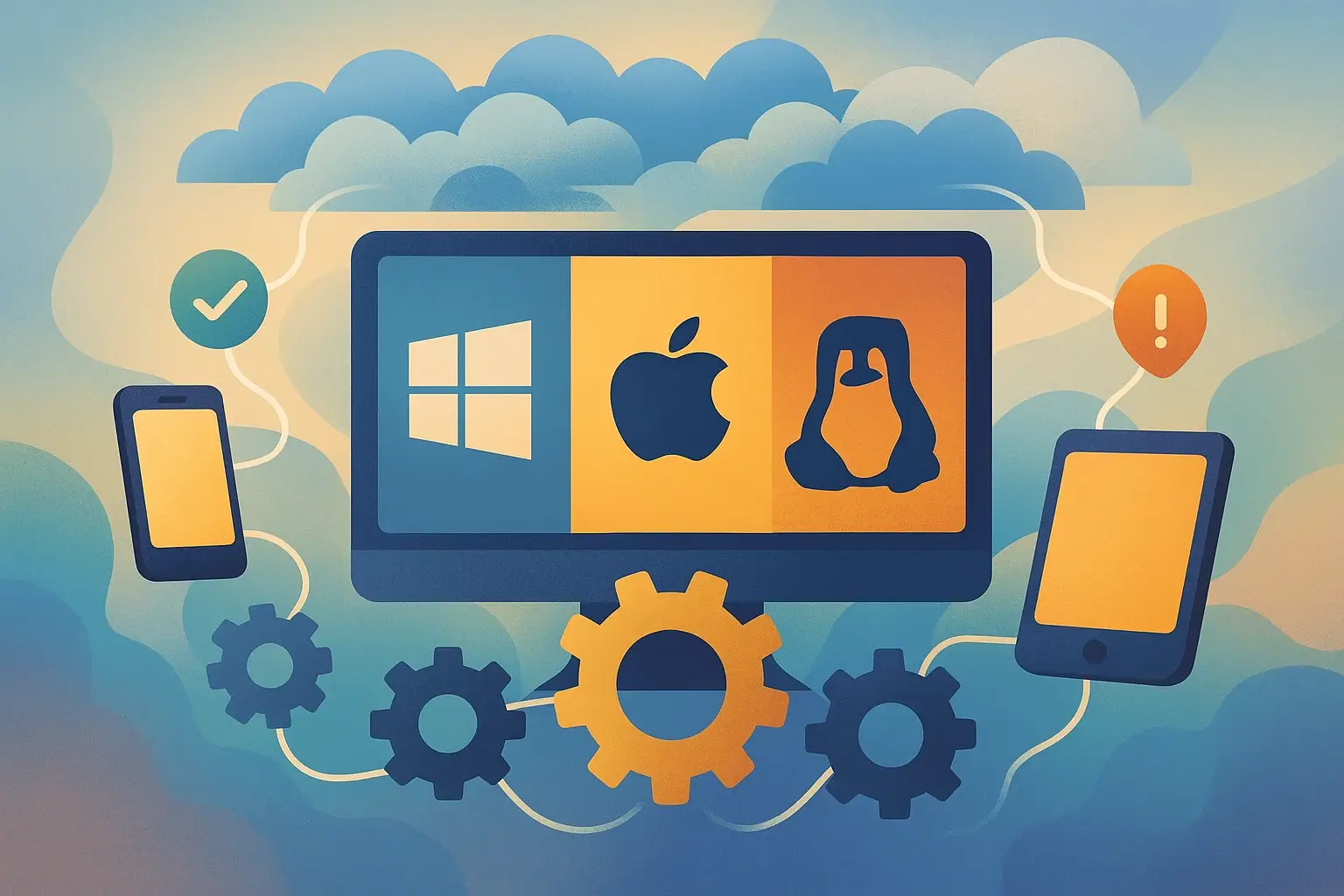
Linking different electronics to a single owner typically happens in one of two ways. Most modern ad tech stacks use one or both methods, often supported by a device graph or identity graph.
Deterministic Matching
We use certain personal markers to bridge the gap between different hardware pieces. If a person logs into your app on a phone and then signs into your website on a laptop using the same email addresses or user ids, you can confidently match those sessions.
You can build this using information you already own. Think about account sign-ins, buying habits, and your current contact lists. This also covers scrambled email addresses, general buyer facts, and long-term user IDs gathered with permission.
Because it uses known identifiers, deterministic matching is the most accurate way to recognize user devices. Most identity platforms rely on this foundation now that third-party cookies are failing.
Probabilistic Matching
Probabilistic matching uses patterns and signals to predict whether multiple devices belong to the same person or household. Your digital footprint includes your hardware ID, your current location, and the specific time you accessed the site.
It helps you reach people before they bother to log in. It helps extend reach across digital media, though it is less precise than deterministic matching because a shared network or shared device can create false matches.
Most tech companies use advanced software to scan these piles of information. It happens in seconds. Our team aims to link profiles together even if someone never logs into the system.
Identity Graphs
Great setups rely on a blend of both styles. Identity graphs, also called device graphs, combine deterministic matching and probabilistic matching into one framework that links multiple screens and user ids back to a single person or household.
An identity graph can pull in first-party data, login signals, customer data, and behavior from multiple channels. It can also connect signals from mobile ad activity, web visits, connected tv exposure, and app engagement to create a broader view of the customer journey.
Companies frequently turn to tools like LiveRamp and products from The Trade Desk to handle this kind of identity matching. This platform connects your brand identity to every gadget a person owns. It prioritizes data protection and confirms your ads appear exactly where they should.
| How We Work | Making It Happen | Primary Advantage | One Major Catch |
|---|---|---|---|
| Exact data alignment. | Uses logins, email addresses, and known user ids. | Spot on results. | Everything runs smoother after you log in. |
| Smart estimation links data. | Software identifies your network address, phone model, and online routine. | Across a wider reach. | A bit fuzzy. |
| Companies use these to bridge the gap between anonymous web clicks and actual, real life human beings. | We blend these two approaches inside a single diagram. | Stronger identity resolution. | Requires solid data governance. |
What Cross-Device Targeting Does for Your Campaigns
Cross-device targeting is more than a tracking method. It changes how campaigns are planned, how ads mobile placements are managed, and how performance is measured across multiple touchpoints.
Better Frequency Control
No one wants to see the same ad all day on every screen. A good device graph helps manage frequency cap settings at the person level, rather than capping each device separately.
That means frequency capping can apply across a phone, laptop, tablet, and connected tvs. Instead of serving eight duplicate impressions to one person, you can stop at a smarter number and reduce wasted ad spend.
This makes every commercial break better. Limiting how often people see your ads protects your reputation. Seeing the same message too many times feels like stalking and kills consumer confidence.
Consistent Brand Messaging
Smart cross-device ads let brands tell a smooth, steady story while customers move from phones to laptops. A person might spot a quick video ad on their phone, check the website later at their desk, and finally open a custom discount email before bed.
Match your talking points to their actual progress. Early emails plant the seed of an idea. Follow those up with solid facts and a coupon code. This shift helps push people across the finish line.
Customers get a consistent feel for your company wherever they find you. Constant variety keeps shoppers interested. Repeating one basic pitch over and over just makes people tune you out.
Accurate Attribution
One of the biggest benefits of cross-device attribution is clearer reporting. Credit usually goes to the last gadget used. This mistake ignores the full journey and every screen that influenced the buyer along the way.
Cross-device attribution helps connect ad exposure on connected tv, clicks from a mobile ad, and later conversions on desktop. Better credit for your ads means you can stop guessing and start making smarter choices with your marketing dollars.
With a stronger view of the customer journey, marketers can identify which multiple touchpoints matter most. You can finally spot which ads move the needle. This stops you from overspending on the wrong spots and rewards the channels that build true interest.
Higher Return on Investment
Smarter workflows mean your budget goes much further. Fixing your data tracking helps you find the right buyers and stops you from throwing money away on ads that fail.
Repeat views from one lead won’t cost you any extra money. You shape every project by watching how users jump from one screen to the next. Your budget goes further because your campaigns follow people as they switch between their laptops, tablets, and TVs.
Challenges in the Privacy-First World
Cross-device tracking has become harder as privacy standards tighten. Third-party cookies are less dependable, browser restrictions continue to grow, and customers want more control over how brands use customer data.
That shift has pushed marketers away from older cookie-based tactics and closer to first-party data strategies. When you learn how people act by talking to them directly, you build a rock solid base for your company.
Consent matters here. Don’t hide your data practices. If you track user IDs, write a simple guide about it. Explain that this info helps you follow the customer journey from a tablet to a desktop.
We also face a serious tech hurdle. Different platforms may use different identity graphs, device ids, universal ids, or ids maids, which can make identity resolution harder if your stack is fragmented.
Fixing your data strategy usually clears things up. Focus on permission-based first-party data, connect systems carefully, and work with an identity solution that fits your legal, technical, and media needs.
Real World Uses That Actually Work
Connecting with customers on phones and laptops helps almost any business grow. Hit the mark by syncing your story with the hardware and where your lead stands.
Retail and E-Commerce

Someone scrolls through a phone app during their break but puts it away before checking out. Later that evening, they return on a laptop and see the same items, along with a discount code or reminder tied to products they already viewed.
This is a common use of cross-device advertising. Mobile is often where discovery happens, while desktop computers may be where shoppers compare details, review shipping options, and finish checkout.
Retail brands can also use cross-device attribution to learn whether a mobile ad sparked interest before a desktop sale. Reliable metrics change how you work. They turn vague guesses into a focused plan for your next launch.
Streaming and Connected TV
Connected TV proves exactly why you need to reach people across all their different screens. Your brand often pops up on a smart TV screen. However, viewers rarely drop what they are doing to complete a purchase right then.
They might grab their smartphone to look you up later or simply tap a retargeting post on their feed. You can finally see how a tv commercial led to a mobile purchase. It connects the dots between different gadgets to show what works.
Use this to manage your reach and cap your daily impressions. If someone already saw your ad on connected tv, you may want fewer follow-up impressions on mobile, not more.
Lead Generation
B2B deals take work. These clients rarely buy on impulse. A prospect may read a guide on a work laptop, revisit your site from a personal phone, and then fill out a form from a tablet at home.
Cross-device marketing keeps the message steady across those steps. It also helps sales and marketing teams understand which digital media and multiple channels moved the lead closer to conversion.
Getting Started With Cross-Device Targeting
Small steps work best. You can start without gutting your current system. Smart growth begins with the information you already have on your buyers.
Use this process to launch your first campaign:
- Audit your first-party data sources, including logins, email addresses, CRM records, purchase history, and app activity.
- Review consent practices for cookies active on your site, app permissions, and privacy disclosures.
- You need a system that recognizes the same person across every gadget they own.
- Bridge your ad tech stack together. You can now run campaigns that follow viewers from their smartphones to their living room TVs.
- Limit how often people see your ads across every gadget they own.
- Create specific talking points for every step of the buyer path from first look to final sale.
- Follow the customer journey across every screen. You can then measure this performance right alongside your baseline campaign stats.
Launching one ad at a time prevents messy data. Start with a remarketing audience, compare it against a non-cross-device control group, and review conversion rates, ad spend, and cost per acquisition.
Find where your customers get stuck. You may find that one individual device rarely closes the sale on its own, but plays a strong support role earlier in the journey.
The Future of Cross-Device Targeting
The future of cross-device targeting will depend on stronger identity graphs, cleaner first-party data, and privacy-safe ways to recognize user activity across multiple devices. Digital tools tethered to third-party cookies simply cannot keep up with today’s privacy standards.
That does not mean cross-device advertising goes away. It means marketers will rely more on direct relationships, authenticated traffic, and smarter identity resolution built around consent.
Smart tech will get better at reading our habits and linking what we do on phones to our laptops. Marketing teams must juggle hitting their numbers while keeping data private and protecting where their ads appear.
Streaming ads on big screens are gaining serious momentum. As more people move between streaming, mobile, and desktop throughout the day, cross-device strategies will be a bigger part of digital advertising and ad attribution.
Brands that can recognize user patterns responsibly, manage frequency capping well, and connect multiple channels into one reporting view will be in a better position to engage customers and extend reach.
Working With the Right Partners
You do not have to figure this out alone. The right partners can help you choose the right device graph setup, connect customer data systems, and build cross-device marketing campaigns that match your goals.
Good Rep Media manages your digital presence. We turn websites and social accounts into tools for steady, long term success. That includes smarter cross-device tracking, clearer ad attribution, and practical ways to improve conversion rates across multiple screens.
We can help audit your current setup, review your first-party data options, and map out how to deliver ads more effectively across phones, tablets, desktop computers, and connected devices. We track every metric so you can stop playing guessing games with your data.
Talk to our experts to build a strategy that respects your spending limits while hitting your targets. You can count on us to find the right people as they move from browsing to buying.

Conclusion
Cross-device targeting matters because your customers do not stay on one screen. They move across phones, tablets, laptops, connected tv, and other connected devices throughout the day, and your marketing has to keep up.
With the right mix of first-party data, identity graphs, and cross-device attribution, you can recognize user behavior more clearly, control frequency cap settings across multiple devices, and improve both ad targeting and measurement. This approach stops you from wasting money and keeps your image steady across every platform.
New privacy rules set a higher standard for everyone, forcing marketers to finally adopt cleaner data practices. Brands that rely on consent, strong customer data practices, and practical cross-device strategies are in a better position to engage customers, improve conversion rates, and build stronger campaigns across multiple channels.
Start small, measure carefully, and build from what works. When you piece it all together, cross-device targeting becomes one of the most useful ways to meet people across every screen they use.